




Brownsville-Overlanding-Adventures offer a thrilling escape into the wild, and proper off-road lighting is crucial for a safe and memorable experience. This comprehensive guide explores the significance of lighting in off-roading, the various types of off-road lighting systems, and how to choose the best setup for your next adventure in Brownsville.
Navigating the Wilderness with Confidence: The Role of Off-Road Lighting
Venturing into off-road terrains presents unique challenges, especially in low-light conditions. Well-lit vehicles enhance visibility, allowing overlanders to navigate through dense forests, rugged mountains, and dark caves with ease. Moreover, off-road lighting is not just about safety; it adds to the overall enjoyment of the trip, enabling you to appreciate the beauty of the wilderness at all hours.
When planning a Brownsville-Overlanding-Adventures trip, prioritizing lighting can make a significant difference in the success and enjoyment of your journey. It ensures you can explore beyond the boundaries of daytime driving and embrace the mystique of nocturnal adventures.
Understanding Off-Road Lighting Systems
Off-road lighting systems are designed to withstand harsh conditions and provide ample illumination for various outdoor activities. These systems typically consist of several key components:
1. Headlights
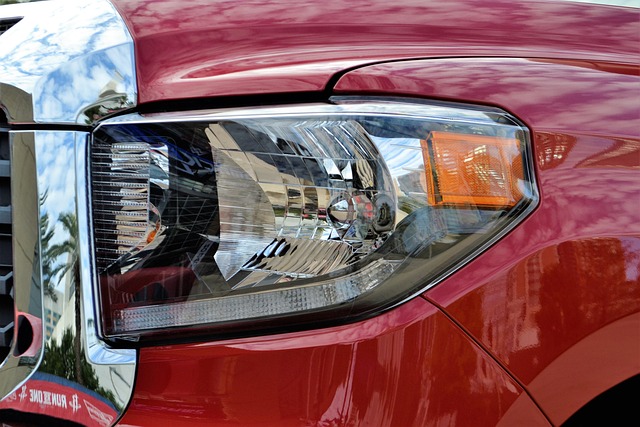
Headlights are the most critical lighting component, offering forward visibility for safe driving. For off-roading, powerful LED headlights with a wide beam angle are ideal. These lights cut through the darkness, illuminating the path ahead and enhancing safety during night drives.
2. Fog Lights
Fog lights, also known as driving lights, are designed to improve visibility in dense fog or low-visibility conditions. They produce a focused beam that cuts through fog, mist, or dust, ensuring drivers can navigate safely even in challenging weather.
3. Work Lights/Spotlights
Work lights or spotlights are powerful, focused beams ideal for task lighting. Off-roaders use them for camping, setting up camp, or working on vehicles in remote locations. These lights can be mounted on stands or fitted to the vehicle for versatile use.
4. Interior Lighting
While not as crucial as exterior lights, interior lighting ensures comfort and safety within the vehicle. Well-lit interiors help passengers navigate and use vehicle features, especially during night stops or camp setups.
5. Backup and Tail Lights
Backup and tail lights are essential for vehicle positioning and safety. They ensure other drivers and adventurers are aware of your presence, enhancing overall safety on the road.
Choosing the Right Off-Road Lighting for Your Brownsville Adventure
Selecting the appropriate off-road lighting system depends on several factors, including your specific off-roading needs, vehicle compatibility, and budget. Here’s a guide to help you make an informed decision:
1. Determine Your Lighting Needs
Before shopping, consider the type of off-roading you plan to do. Different activities require different lighting setups:
- Daytime Trail Riding: Standard headlights and fog lights may suffice for daytime rides.
- Nighttime Exploration: Invest in powerful LED headlights and work lights for extended night drives.
- Camping and Work: A combination of work lights, interior lighting, and backup lights is ideal for these scenarios.
2. Vehicle Compatibility
Ensure the lighting system you choose fits your vehicle’s mounting points and power requirements. Check for the following:
- Mounting Points: Verify if your vehicle has pre-installed mounting points for lights.
- Power Output: Ensure your lighting system aligns with your vehicle’s electrical system for proper functionality.
- Wiring and Switches: Consider the wiring and switch options to control and manage your lighting system.
3. Light Intensity and Beam Patterns
The intensity and beam patterns of off-road lights significantly impact visibility. Look for:
- Lumens (Brightness): Higher lumen ratings indicate brighter lights. Choose based on your specific needs, keeping in mind that brighter lights may be more suitable for night driving.
- Beam Angle: Wide beam angles offer a broader field of view, ideal for off-roading where visibility varies.
- Beam Patterns: Consider spotlights for long-range illumination and headlights for all-around visibility.
4. Durability and Weather Resistance
Off-road lighting systems should withstand rugged conditions. Look for:
- Waterproof and Dustproof: Ensure lights are rated for outdoor use and can handle dust, rain, and moisture.
- Durable Construction: Choose lights made from high-quality materials that can endure the demands of off-roading.
- Temperature Resistance: Consider lights designed to handle extreme temperatures, which are common in outdoor environments.
5. Budget and Brand Reputation
Off-road lighting systems vary in price, depending on features and quality. Set a budget and research brands known for their reliable products:
- Popular Brands: Research and consider well-established off-road lighting brands known for their quality and durability.
- Customer Reviews: Read reviews to gauge customer satisfaction and the overall performance of specific lighting systems.
- Warranty and Support: Look for brands offering warranties and excellent after-sales support, ensuring peace of mind.
Setting Up Your Brownsville-Overlanding-Adventures Lighting System
Once you’ve chosen the right lighting system, proper installation is crucial for optimal performance. Here’s a simple guide:
1. Planning and Mounting
- Plan the Layout: Determine the best positions for headlights, fog lights, work lights, and other accessories.
- Mounting Hardware: Ensure you have the necessary hardware for secure mounting.
- Wiring and Connections: Organize and protect wiring to prevent damage during off-roading.
2. Testing and Calibration
- Test Lights: Before heading out, test all lights to ensure they function correctly and are properly aligned.
- Calibrate Beams: Adjust beam angles and patterns for optimal visibility and to avoid blinding other drivers.
3. Maintain and Update Your Lighting System
- Regular Maintenance: Keep lights clean and free from debris to ensure optimal performance.
- Update Technology: Stay updated with new lighting technologies and consider upgrades for improved safety and visibility.
Frequently Asked Questions (FAQs)
1. What are the legal requirements for off-road lighting in Brownsville?
Brownsville, like many areas, has specific regulations regarding off-road lighting. Ensure you comply with local laws by checking with the relevant authorities. Generally, lights should be dimmable, not produce excessive glare, and adhere to specific lighting patterns to avoid disturbing wildlife and other drivers.
2. How do I choose the right beam pattern for my off-road lights?
Beam patterns vary, with spotlights offering a narrow, focused beam for long-range illumination and headlights providing a broader beam for all-around visibility. Choose based on your driving conditions and preferences. For example, a combination of spotlights for ahead and headlights for peripheral vision is a common setup.
3. Can I use regular car headlights for off-roading?
Regular car headlights may suffice for mild off-road trails during the day, but they often lack the power and beam patterns needed for serious off-roading, especially at night. Off-road-specific headlights are designed for rugged conditions and offer brighter, more focused beams, enhancing safety and visibility.
Conclusion: Illuminating Your Off-Road Journey in Brownsville
Brownsville-Overlanding-Adventures offer a unique blend of natural beauty and off-road challenges. With the right off-road lighting system, you can transform these adventures into memorable experiences. By understanding the various lighting components, their functions, and your specific needs, you can make informed choices to enhance your off-road exploration.
Remember, proper lighting not only ensures safety but also allows you to embrace the wilderness at all hours, creating lasting memories of your Brownsville off-roading trips. So, pack your lights, plan your route, and hit the trail with confidence, knowing that you’re prepared for any challenge that comes your way.